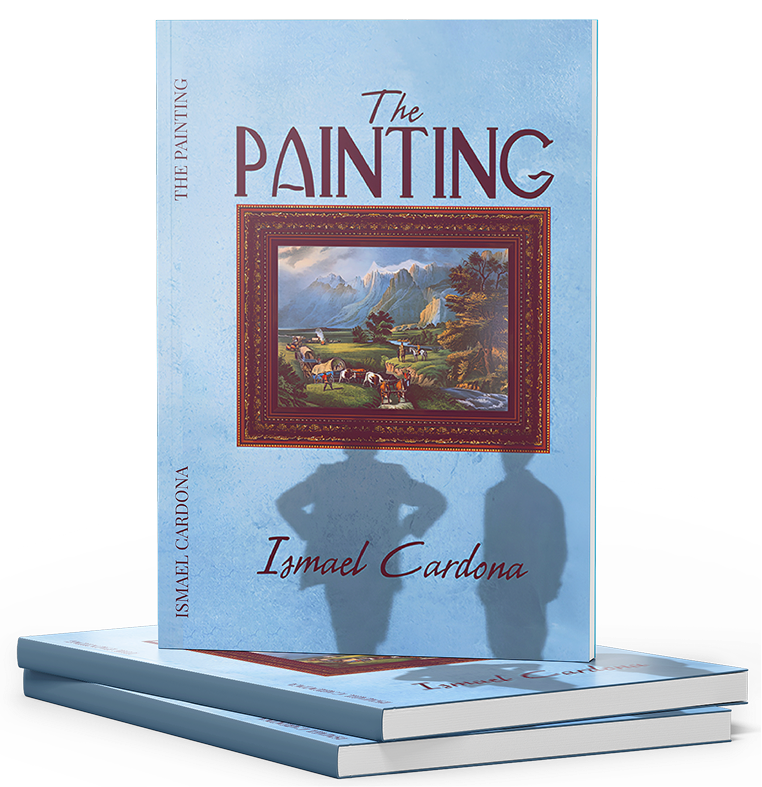
In a place where everyone knows the routine, one impossible discovery can unsettle an entire community.
A supernatural mystery becomes especially powerful when it begins in a place that feels safe, familiar, and ordinary. That is why the fictional town of Cold Water, Arizona, is such an effective setting for Ismael Cardona’s The Painting.
Cold Water is not introduced as a center of crime or strange activity. It is a small community where police work generally involves minor disturbances, traffic accidents, and everyday concerns. Detective Sergeant Jake Sowell knows the town, its people, and its routines. This stability creates a strong contrast when Leonard Wright disappears and leaves behind a cassette describing a living painting and journeys into another world.
In a large city, unusual events can disappear into noise. In a small town, they stand out. An unanswered telephone, an overflowing mailbox, a secondhand store fire, or a missing neighbor immediately feels important. The community’s closeness raises the emotional stakes because the people investigating the mystery are not strangers. They know one another’s histories and reputations.
The setting also gives the story room for humor. Leonard and Ed are ordinary working men whose conversations feel shaped by years of small-town familiarity. Their trip to a used-goods store, their jokes about old cars and cheap beer, and their suspicion of anything too polished make the supernatural discovery feel grounded. The painting does not arrive in a castle or secret laboratory. It comes from a cluttered secondhand shop.
That ordinary origin is essential to the novel’s appeal. Readers are encouraged to imagine that any overlooked object might contain a hidden life. A painting gathering dust in a back room could be more valuable, dangerous, or miraculous than anyone realizes.
Cold Water also represents the limited life Leonard believes he knows. He works, returns to his apartment, misses the woman who left him, and expects the future to resemble the past. The living painting breaks open that routine. Through it, he experiences a vast landscape, a wagon train moving toward Oregon, and people whose lives exist beyond his understanding.
The contrast between Cold Water and the painted frontier creates two kinds of suspense. In the modern town, Leonard and Ed face criminals, secrets, and a police investigation. Inside the painting, the wagon train faces exposure, uncertainty, and approaching danger. The two worlds mirror each other: both appear manageable until hidden threats move closer.
By placing an impossible doorway in an ordinary town, The Painting reminds readers that adventure does not always begin far away. Sometimes it begins with a bare wall, a secondhand purchase, and the decision to look more carefully at something everyone else ignored.
Visit Cold Water, Arizona, and step into the mystery of The Painting.